
Front-End vs Back-End Development: Which Career Path Should You Choose in 2026?
If you're thinking about becoming a web developer, one of the first questions you'll face is whether to specialize in front-end or back-end development.
Both roles are essential for building modern websites and applications, but they involve different responsibilities, technologies, and ways of thinking.
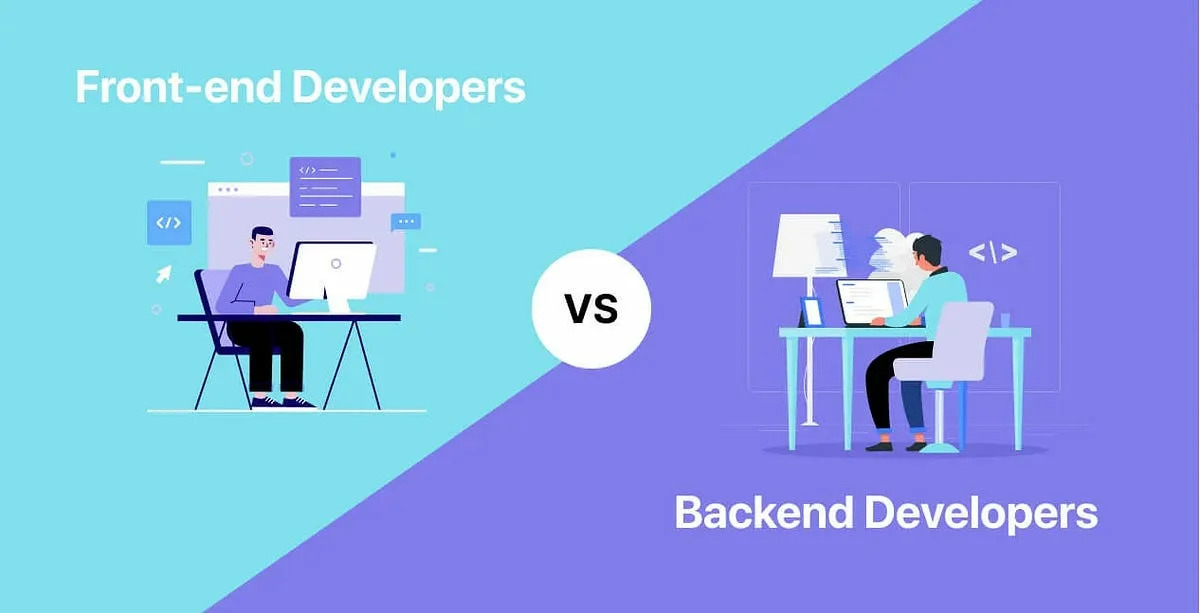
Front-end developers focus on what users see and interact with, while back-end developers build the systems that power those experiences behind the scenes.
In this guide, we'll compare both career paths to help you understand the differences and decide which one matches your interests and goals.
What Is Front-End Development?
Front-end development is all about creating the parts of a website or application that users interact with directly.
When you open an online store, scroll through a news website, or use a banking app, everything you see on the screen has been built by a front-end developer.
Typical responsibilities include:
- Building responsive web pages
- Creating navigation menus
- Designing interactive buttons
- Developing forms
- Improving website performance
- Ensuring accessibility
- Connecting the interface to APIs
Front-end developers work closely with designers to transform visual concepts into functional websites.
Technologies Used in Front-End Development
Modern front-end developers typically work with:
- HTML
- CSS
- JavaScript
- TypeScript
- React
- Next.js
- Vue.js
- Tailwind CSS
- Bootstrap
- Git
- REST APIs
Learning these technologies provides a solid foundation for building modern, responsive websites.
What Is Back-End Development?
While front-end developers build what users see, back-end developers create the systems that make everything work.
They develop the server-side logic responsible for processing requests, storing data, authenticating users, and connecting applications to databases.
Examples of back-end functionality include:
- User login systems
- Payment processing
- Product management
- Database operations
- Authentication
- APIs
- Security
- Business logic
Without back-end development, websites would display information but couldn't save user data or perform complex tasks.
Technologies Used in Back-End Development
Common back-end technologies include:
- Node.js
- Python
- Java
- PHP
- C#
- Go
- Express.js
- Django
- Laravel
- PostgreSQL
- MySQL
- MongoDB
- Docker
Back-end developers also work with cloud services, servers, and deployment tools.
Which Skills Should You Develop?
Front-End Skills
If you enjoy creativity and visual design, front-end development may be a great fit.
Important skills include:
- Responsive design
- Accessibility
- CSS layouts
- JavaScript programming
- UI development
- Performance optimization
- Component-based architecture
- Browser compatibility
Back-End Skills
If you enjoy logic, algorithms, and data management, back-end development might be more suitable.
You'll need to understand:
- Programming concepts
- Databases
- APIs
- Authentication
- Security
- Server management
- Performance optimization
- Cloud deployment
Can You Learn Both?
Absolutely.
Many developers eventually become Full-Stack Developers, meaning they understand both front-end and back-end technologies.
A full-stack developer can:
- Build interfaces
- Develop APIs
- Manage databases
- Deploy applications
- Fix issues across the entire project
Although learning both takes time, it opens up more career opportunities and provides greater flexibility.
Career Opportunities
Front-end developers can work as:
- Front-End Developer
- UI Developer
- React Developer
- Web Designer
- WordPress Developer
Back-end developers can become:
- Back-End Developer
- API Developer
- Database Engineer
- Software Engineer
- Cloud Developer
Full-stack developers are often in high demand because they can contribute to multiple stages of development.
How to Choose the Right Path
Ask yourself a few simple questions.
Do you enjoy:
Designing interfaces?
Front-end development may be the better choice.
Solving technical problems?
Back-end development might be more appealing.
Building complete applications?
Consider becoming a full-stack developer over time.
Remember, many professionals start in one area and expand their skills as their careers progress.
Learn Web Development at BunnyChain Academy
Whether you're interested in front-end development, back-end programming, or becoming a full-stack developer, the best way to learn is through practical experience.
At BunnyChain Academy, you'll work on real-world projects, build a professional portfolio, and learn from experienced instructors who understand today's technology industry.
Our courses are designed to help beginners build confidence while preparing for internships, freelance work, and full-time developer roles.
Conclusion
There is no single "better" choice between front-end and back-end development.
The right path depends on your interests, strengths, and long-term goals.
If you enjoy creating beautiful, interactive experiences, front-end development offers endless creative opportunities.
If you prefer solving complex technical problems and building powerful systems, back-end development could be your ideal career.
Whichever path you choose, consistent practice and hands-on projects will help you become a confident developer.
Ready to Start Your Development Career?
Explore BunnyChain Academy's web development programs and gain practical experience with modern technologies, real-world projects, and expert mentorship. Build the skills employers are looking for and take the first step toward a successful career in tech.